Introduction
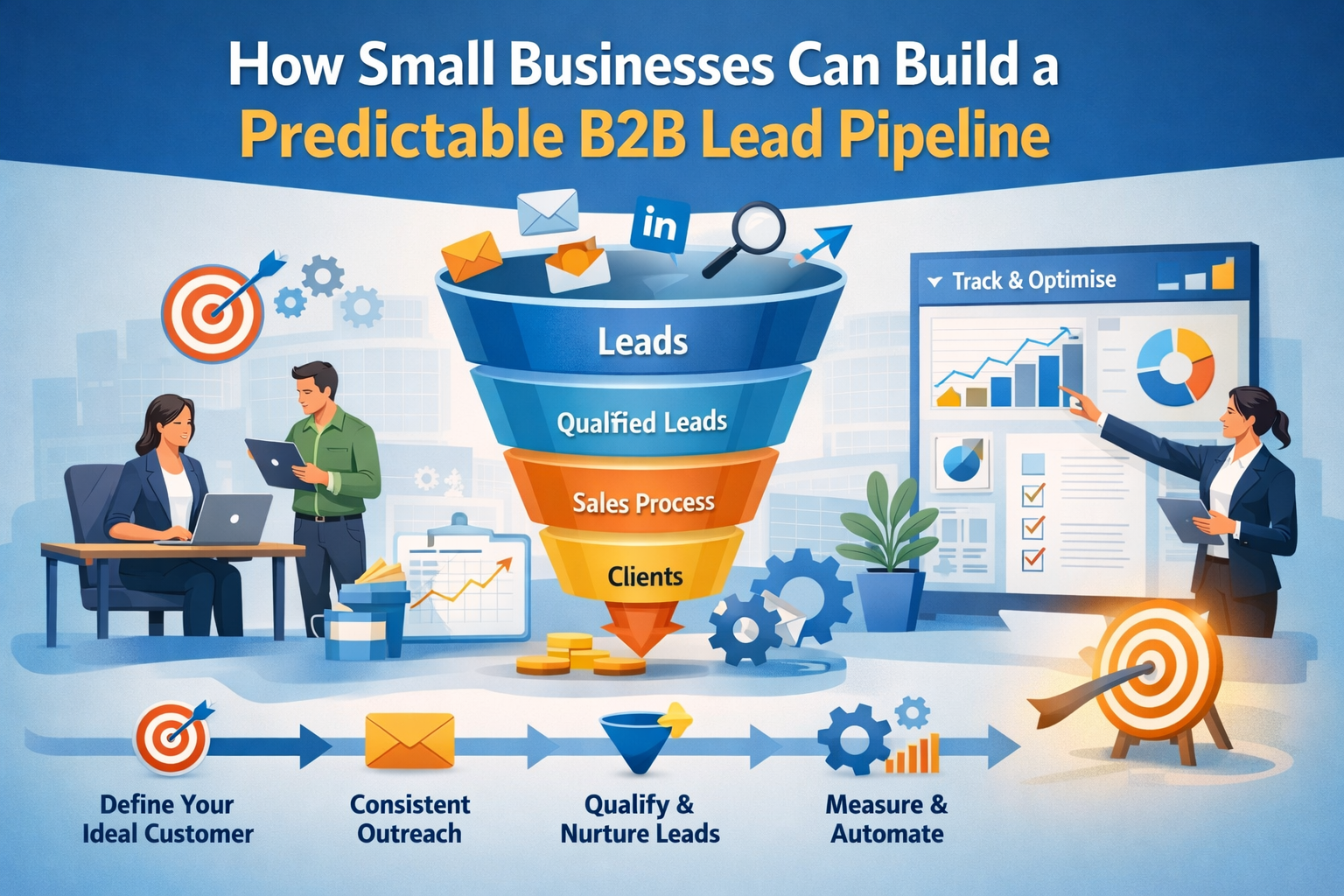
Understanding how B2B lead generation works is essential for businesses that want consistent growth and predictable sales. Many companies struggle to get quality leads because they don’t follow a structured process.
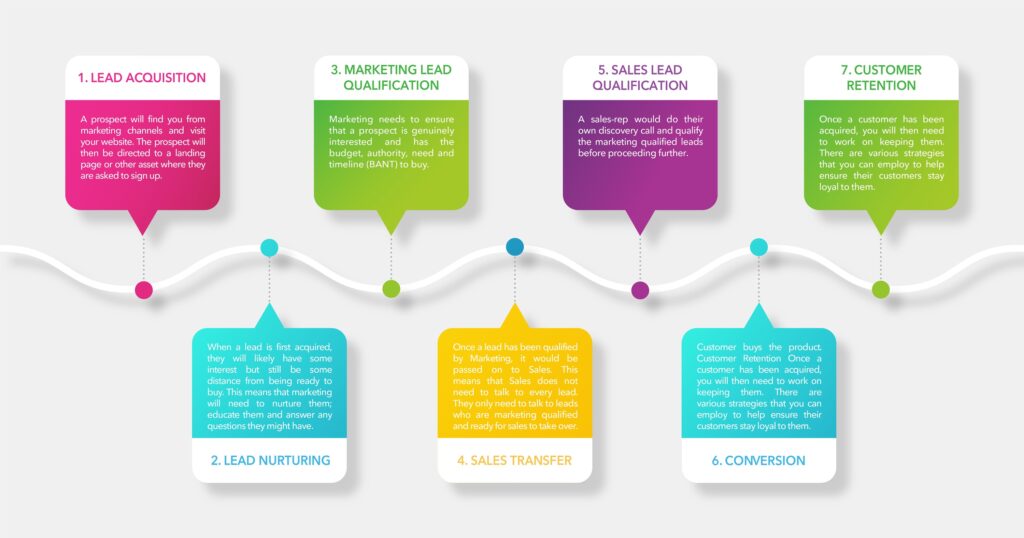
In this guide, we will explain how B2B lead generation works step by step, from identifying prospects to converting them into qualified sales opportunities. This article is written in simple language for beginners.
Step 1: Identify Your Target Audience
The first step in B2B lead generation is defining who your ideal customers are. Not every business is the right fit for your service.
You should clearly define:
- Industry or niche
- Company size
- Job titles (CEO, Founder, Manager, Director)
- Geographic location
- Pain points and needs
A well-defined target audience helps you avoid wasting time on unqualified prospects.
Step 2: Create Buyer Personas
A buyer persona is a detailed profile of your ideal customer. It helps you understand what motivates your prospects and how to approach them.
A strong buyer persona includes:
- Role and responsibilities
- Business goals
- Challenges they face
- Decision-making authority
This step makes your B2B lead generation efforts more focused and effective.
Step 3: Attract Potential Leads
Once you know your audience, the next step is attracting them. Businesses use multiple channels to reach potential B2B leads, such as:
- Company websites and landing pages
- Blog content and SEO
- LinkedIn and professional networks
- Email outreach
- Paid advertising
The goal is to attract prospects who are actively looking for solutions you offer.
Step 4: Capture Lead Information
After attracting prospects, you need to collect their contact information. This usually includes:
- Name
- Company name
- Job title
- Business email address
- Location
Lead information can be captured through contact forms, landing pages, gated content, or direct outreach.
Step 5: Qualify B2B Leads
Not all leads are ready to buy. Lead qualification helps identify which prospects are worth pursuing.
B2B leads are typically qualified based on:
- Budget
- Authority
- Need
- Timing
Qualified leads are more likely to convert into paying customers, saving time for your sales team.
Step 6: Nurture Leads
Lead nurturing involves building trust and maintaining communication with potential clients until they are ready to buy.
Common nurturing methods include:
- Follow-up emails
- Educational content
- Case studies
- Personalized outreach
This step helps move leads through the sales funnel smoothly.
Step 7: Convert Leads Into Sales Opportunities
Once leads are qualified and nurtured, they are passed to the sales team. Sales professionals then engage with decision-makers, schedule meetings, and close deals.
This is where a well-structured B2B lead generation process delivers real business value.
Why a Structured B2B Lead Generation Process Matters
A clear process helps businesses:
- Generate consistent sales leads
- Improve conversion rates
- Reduce customer acquisition costs
- Scale operations efficiently
Companies that follow a step-by-step B2B lead generation approach outperform those that rely on random outreach.
👉 Learn more about our B2B lead generation services to see how businesses generate verified, high-quality leads worldwide.
Final Thoughts
B2B lead generation works best when it follows a structured and strategic process. From identifying the right audience to converting leads into customers, each step plays a crucial role.
Whether you manage lead generation in-house or partner with a professional agency, focusing on quality, targeting, and consistency will help you achieve long-term success.