How to Build a Targeted B2B Email List (Step-by-Step Guide)
Building a targeted B2B email list is one of the most powerful strategies for generating qualified leads and closing high-value deals. Unlike generic email lists, a targeted list connects you directly with decision-makers who are genuinely interested in your products or services.
In this guide, we’ll break down how to build a high-quality B2B email list that drives real results — not just vanity metrics.
Why a Targeted B2B Email List Matters
In B2B marketing, quality beats quantity every time.
A targeted email list helps you:
- Reach decision-makers directly
- Increase response and conversion rates
- Shorten your sales cycle
- Reduce ad spend dependency
- Build long-term business relationships
Sending emails to the wrong audience wastes time and damages sender reputation. Precision targeting is the key.
Step 1: Define Your Ideal Customer Profile (ICP)
Before collecting a single email, define who you actually want to reach.
Ask yourself:
- What industry do they belong to?
- What is the company size?
- Who is the decision-maker (CEO, Marketing Head, CTO)?
- What problems are they trying to solve?
- What geographic location are you targeting?
The clearer your ICP, the easier it becomes to build a relevant list.
Step 2: Use LinkedIn for Prospect Research
LinkedIn is the goldmine for B2B lead generation.
Use LinkedIn filters to target:
- Industry
- Company size
- Job title
- Location
You can manually collect prospects or use tools like:
- LinkedIn Sales Navigator
- Apollo.io
- ZoomInfo
- Lusha
Export data carefully and ensure compliance with data regulations.
Step 3: Leverage Lead Magnets
Instead of only scraping emails, attract prospects organically.
Create valuable lead magnets such as:
- Industry reports
- Whitepapers
- Case studies
- Free audits
- Webinars
- Templates or checklists
Offer these resources in exchange for email addresses via landing pages.
This approach brings in warmer, more engaged leads.
Step 4: Build Optimized Landing Pages
A strong landing page can significantly improve email capture rates.
Your landing page should include:
- Clear headline
- Problem-focused messaging
- Social proof (testimonials, case studies)
- Strong CTA
- Short and simple form
Keep forms minimal — name, email, company name, and job title are usually enough.
Step 5: Use Website Traffic to Capture Emails
If your website is already getting traffic, you’re sitting on potential leads.
Implement:
- Exit-intent popups
- Newsletter signups
- Content upgrades
- Chatbots
- Free consultation offers
Tools like HubSpot, Mailchimp, or ConvertKit make this easy.
Step 6: Run Targeted Paid Campaigns
Paid ads can accelerate your B2B email list growth.
Best platforms for B2B:
- LinkedIn Ads
- Google Search Ads
- Facebook Lead Ads
Target based on:
- Job titles
- Industry
- Company size
- Retargeting website visitors
Send traffic to a focused landing page, not your homepage.
Step 7: Validate and Clean Your Email List
Never send emails without verification.
Use tools like:
- NeverBounce
- ZeroBounce
- Hunter.io
This reduces bounce rate and protects your sender reputation.
List hygiene is critical for long-term email deliverability.
Step 8: Segment Your Email List
Not all B2B leads are the same.
Segment your list based on:
- Industry
- Company size
- Buyer stage
- Engagement level
- Geography
Segmentation increases open rates and conversions significantly.
Compliance and Legal Considerations
If you are targeting international markets, comply with:
- GDPR (Europe)
- CAN-SPAM (USA)
- CASL (Canada)
Always provide:
- Clear unsubscribe option
- Company identification
- Honest subject lines
Building trust is essential in B2B communication.
Common Mistakes to Avoid
- Buying random email lists
- Sending mass generic emails
- Ignoring personalization
- Not warming up your email domain
- Over-emailing prospects
Focus on relevance and value instead of volume.
Final Thoughts
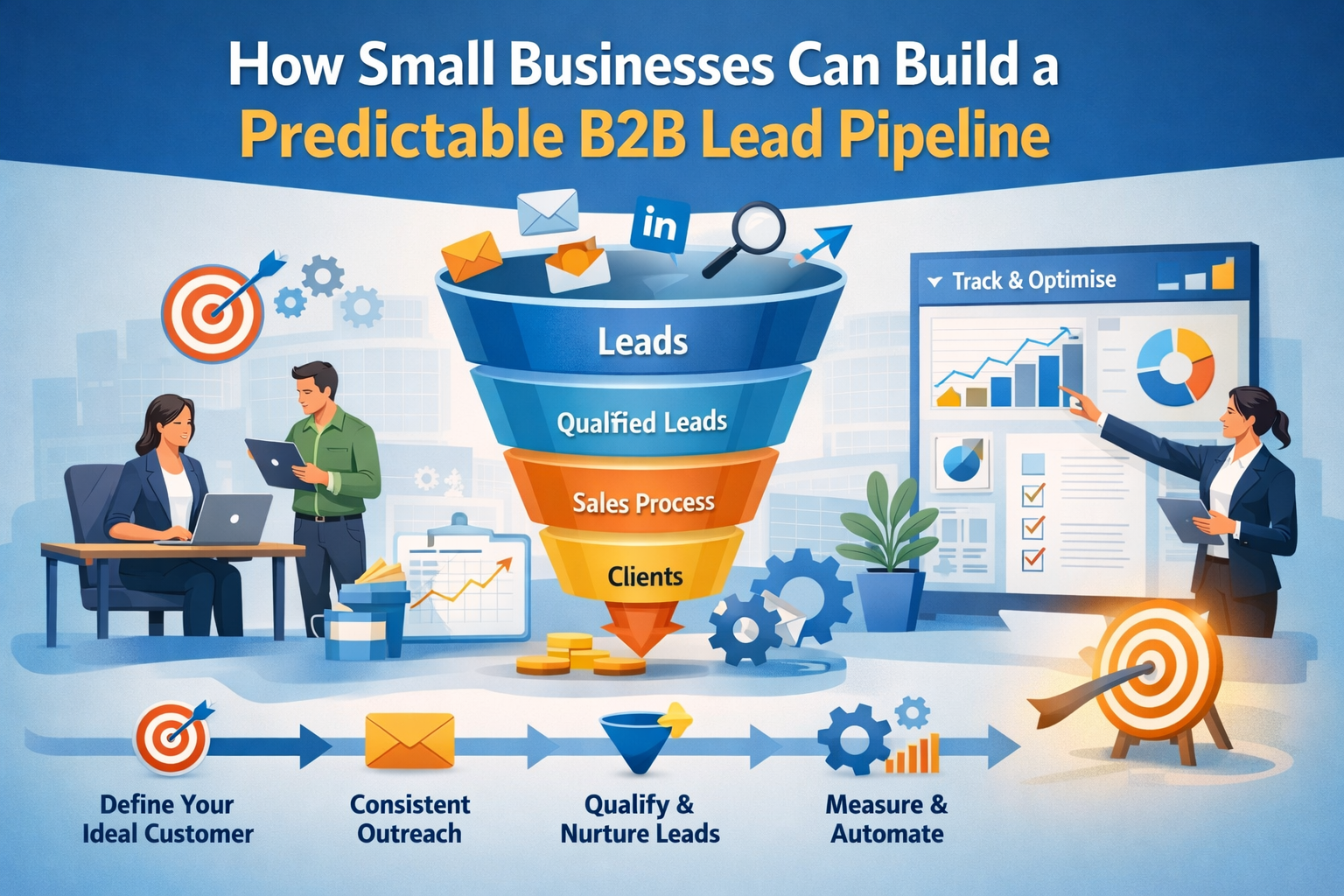
Building a targeted B2B email list is not about collecting thousands of random contacts. It’s about creating a strategic pipeline of qualified prospects who are genuinely interested in what you offer.
When done correctly, a well-built B2B email list becomes one of your most valuable business assets — delivering consistent leads, higher conversions, and sustainable growth.