How Small Businesses Can Build a Predictable B2B Lead Pipeline
Introduction
For many small businesses, B2B lead generation feels unpredictable. Some months bring strong results, while others go completely quiet. This inconsistency makes growth difficult and planning almost impossible.
The solution is not chasing random leads—it’s building a predictable B2B lead pipeline. A structured, repeatable system allows small businesses to generate qualified leads consistently, without relying on luck or one-time campaigns.
This guide explains how small businesses can create a reliable B2B lead pipeline that delivers long-term results.
1. Start With a Clear Ideal Customer Profile (ICP)
A predictable pipeline begins with knowing exactly who you want to attract.
Define your ideal customer by:
- Industry and niche
- Company size
- Job titles of decision-makers
- Core problems they want to solve
When your targeting is clear, your messaging becomes more relevant—and conversions increase naturally.
2. Choose the Right Lead Generation Channels
Small businesses should focus on channels that offer control and consistency, not trends.
High-performing B2B channels include:
- LinkedIn outreach
- Cold email campaigns
- SEO-driven content marketing
- Website lead forms and landing pages
Avoid trying everything at once. Pick 1–2 core channels and optimize them deeply.
3. Create a Repeatable Outreach System
Consistency beats intensity. Instead of one-off campaigns, build a system you can repeat weekly.
Key elements:
- A steady flow of new prospects
- Personalized but scalable messaging
- Follow-up sequences (most replies come after follow-ups)
Document your process so it can be repeated, improved, and eventually automated.
4. Qualify Leads Before Sales Engagement
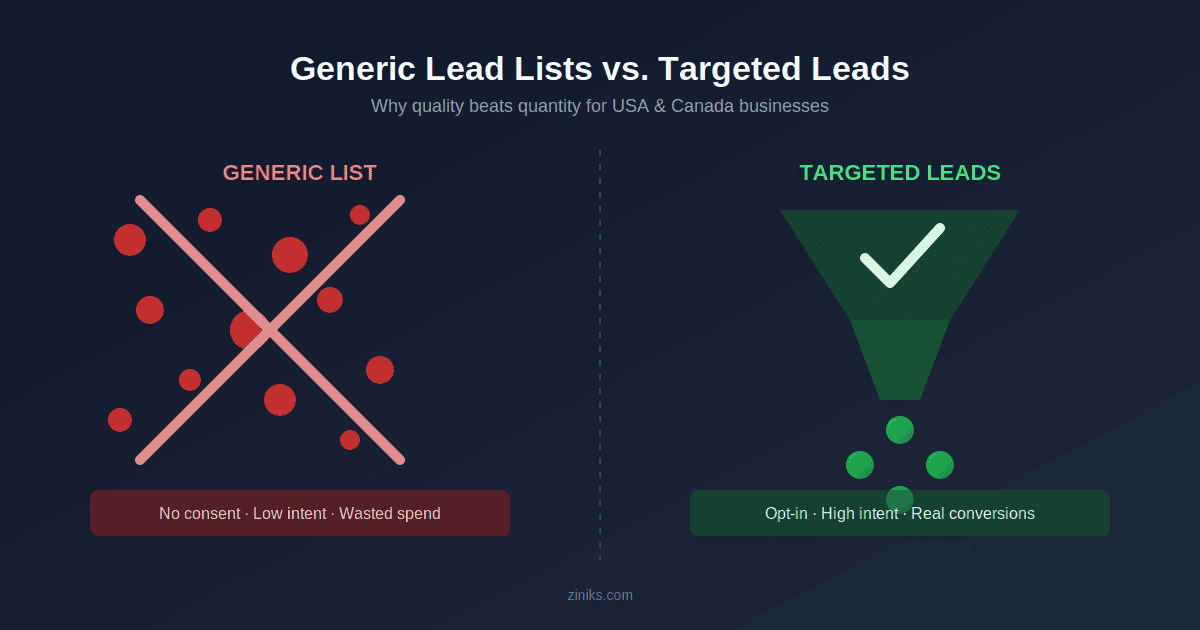
Not every lead is worth pursuing. A predictable pipeline focuses on quality, not volume.
Use simple qualification criteria such as:
- Budget range
- Authority level
- Business need
- Timeline
This saves time and ensures your sales efforts focus on leads most likely to convert.
5. Turn Your Website Into a Lead Engine
Your website should support your pipeline 24/7.
Best practices:
- Clear value proposition above the fold
- Strong call-to-action (CTA)
- Simple contact or demo request forms
- Trust signals (case studies, testimonials, results)
Even small improvements in conversion rate can double lead flow.
6. Track, Measure, and Optimize
Predictability comes from data.
Track:
- Lead source performance
- Conversion rates
- Response and reply rates
- Cost per lead
Regular analysis helps you identify what works, remove what doesn’t, and scale the best-performing strategies.
7. Use Automation Without Losing the Human Touch
Automation improves efficiency—but personalization builds trust.
Use tools to:
- Schedule outreach
- Send follow-ups
- Manage leads in a CRM
At the same time, keep messaging human, relevant, and problem-focused.
Conclusion
A predictable B2B lead pipeline is not built overnight—but it is absolutely achievable for small businesses. With clear targeting, focused channels, repeatable systems, and data-driven optimization, consistency becomes the norm—not the exception.
At Ziniks, we help small businesses design and scale predictable B2B lead pipelines that drive sustainable growth, not short-term spikes.